
Intro
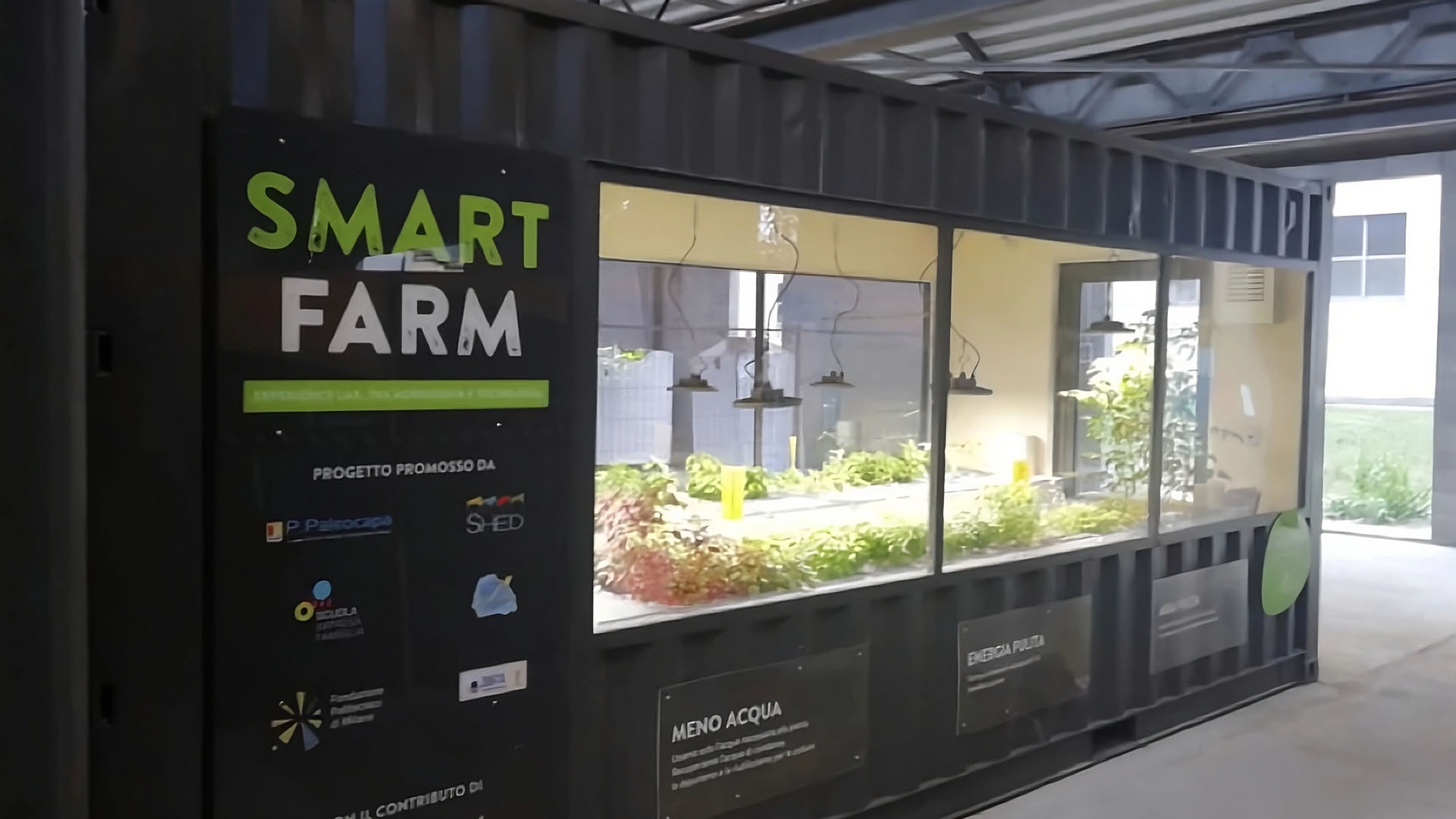
Thanks to winning a grant, ITIS Paleocapa in Bergamo has installed an Agricooltur® Hortus system within the institute, integrating a high-tech agricultural model into the curriculum. A project that brings sustainability into the classroom and offers students direct experience with the agricultural technologies of the future.
requirement
The project’s goal was to combine technological innovation and environmental sustainability to enrich teaching with an experiential approach. The institute was looking for a solution that could involve students across various disciplines, touching on fields such as computer science, electronics, automation, and environmental sciences, through a concrete and functional system.
solution
Agricooltur® installed an indoor Hortus system within the institute, making it an active educational tool available to the various technical departments. The system was designed to be observed, monitored, and managed by the students themselves.
Educational activities include:
- Analysis of environmental parameters (light, temperature, humidity);
- Study of the automated control software and remote management via digital interface;
- Direct observation of crop cycles and evaluation of system performance;
- Practical application of STEM skills, particularly in the computer science, electronics, and technology sectors.
results
The introduction of the Hortus system has had a strong impact on education and student engagement:
- Enhancement of technical-scientific learning through a living laboratory;
- Multidisciplinary approach, which stimulates collaboration between different subjects;
- Greater awareness of issues related to sustainability, food innovation, and agritech;
- Development of skills applicable in the professional world and post-diploma pathways.
other projects
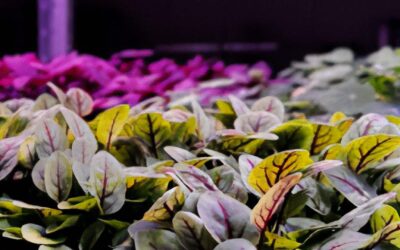
In Sozzago (NO), an indoor facility transforms a former cold storage room into a sustainable production hub
In 2024, PUM RUS installed an indoor facility producing over 24,000 units per year, transforming a former cold storage room into a production space for live vegetables destined for the restaurant, direct sales, and the HoReCa channel.
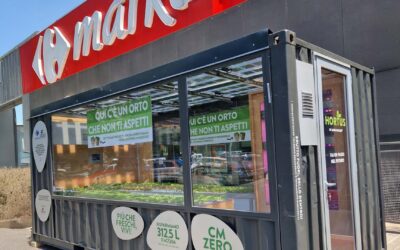
Carrefour brings zero-kilometer production to the storefront
From 2023 to 2025, an Hortus module in front of Carrefour Market in Piazzale Siena enabled the cultivation and sale of zero-kilometer products, combining sustainability and retail.
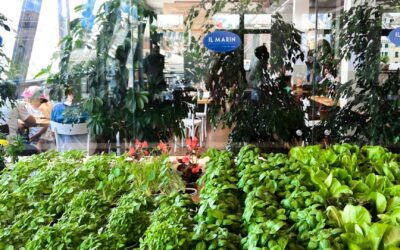
In Genoa, the Michelin star meets innovation: basil and herbs grown in the dining room
A Michelin-starred restaurant in Genoa uses an aeroponic cultivation system in the dining room to produce fresh basil and herbs, enhancing the tradition of Ligurian pesto with “zero-centimeter” ingredients.

